
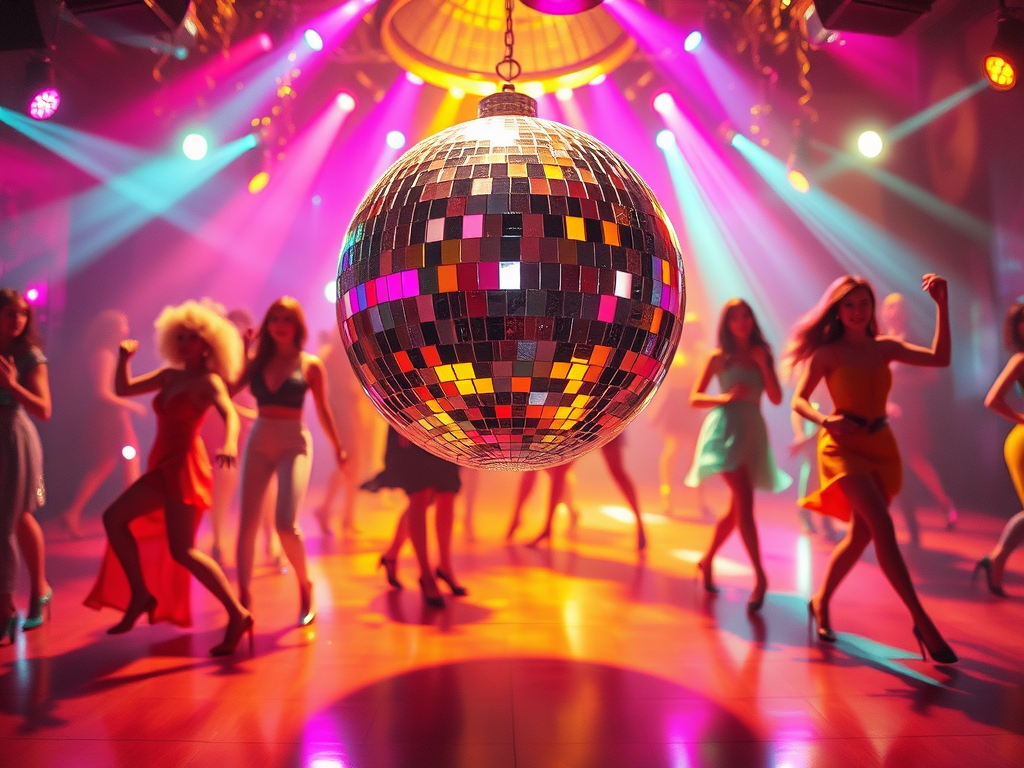
I must confess that I was once a proud and somewhat pretentious member of the notorious “disco sucks” club! In those halcyon days, I strutted around school in un-shiny jackets and straight-leg jeans. I would dramatically roll my eyes at the sight of gleaming disco balls, their shimmering surfaces reflecting vibrant lights that seemed to beckon everyone to dance. Who among us didn’t think we were far too cool to embrace sequins and funky dance floors, which felt like a blatant affront to our alternative sensibilities?
Disco Demolition
I certainly wasn’t alone in my disdain for sequined jackets worn open to display chest hair adorned with gold medallions—a look emblematic of those enthusiastic dancers who thrived in the pulsating heart of discotheques. The collective mocking laughter we shared amongst friends formed an unspoken bond in our quest for authenticity amid what we perceived as over-the-top exuberance. Remember the infamous Disco Demolition Night at Comiskey Park in 1979? That chaotic event symbolized not just a rejection of disco music but also encapsulated a cultural moment rife with tension between different musical genres and lifestyles. And who could forget the iconic scene from the movie Airplane? Just as chaos ensued with the plane crashing into the radio tower, an announcer proclaimed with almost prophetic irony, “Disco will live forever!”
The Disco Bottom
The idea of blowing up records seemed rebellious back then—until disco pulled off an epic plot twist by sticking around longer than anyone anticipated! Disco has managed to wiggle its way back into our hearts with infectious charm. Even if today’s youth have no clue who Tony Manero is—a character immortalized by John Travolta—they channel his Saturday Night Fever vibes every time they burst into those iconic dance moves when “Night Fever” plays. In our contemporary musical landscape, those infectious grooves and ‘disco bottom’ are even more ubiquitous than when Tony Manero strutted the streets with his two cans of paint. The legacy of disco is not just about nostalgia; it is in our DNA. It pulses through modern pop music, influences the beats of electronic dance tracks, and inspires fashion trends that echo the glittering nights of Studio 54. Moreover, disco’s resurgence reflects a broader cultural shift toward embracing joy and self-expression in an often-chaotic world. The vibrant colors and exuberant energy associated with disco remind us of the importance of celebration—whether it’s through dance parties or simply donning those sparkly outfits that make us feel alive. Even social media platforms are bursting with throwback challenges that invite users to relive those carefree moments on the dance floor.
The New Disciples of Disco
Contrary to predictions from decades ago, disco didn’t die; it merely transformed into something more comfortable, with fewer sequins and normal-sized collars. New disciples of disco keep dancing through house music, techno beats, and EDM drops. Dua Lipa would feel right at home at Studio 54. Her tracks are modern-day anthems with roots deeply planted in disco soil. And let’s not forget Doja Cat’s “Say So,” which reinvigorates Chic’s iconic “Good Times” guitar riff. Sabrina Carpenter’s “Espresso” worms its way into your brain, invited or not. These songs remind us of those unforgettable grooves from when Tony taught us that dancing was everything!
More Than Just a Genre
As we navigate shifting musical tastes, it’s clear that disco is more than just a genre; it has become an enduring spirit of liberation and fun. It reminds us that sometimes the best way to connect is through rhythm and joy. As artists draw inspiration from the disco days, we see a blend of nostalgia and innovation that captivates both old fans and new listeners. The infectious rhythms invite people to hit the dance floor, creating spaces where everyone can lose themselves in the music. In a world often filled with challenges, these danceable tunes encourage people to let loose, fostering connections among strangers who share fleeting moments of happiness. As we embrace this revival, it’s important to acknowledge the pioneers who paved the way—artists like Donna Summer, Lipps Inc, Bee Gees, and Chic, whose influence still resonates today. They not only defined an era but also set standards for creativity and artistry that continue to inspire new generations.
Citations and Further Reading
Anguiano, B. & Ghedi, A. (2024). The legacy of disco, decades later. NPR. https://www.nprillinois.org/2024-06-17/the-legacy-of-disco-decades-later
Dimoro, A. (2024). How Saturday Night Fever Became a Cultural Phenomenon. Tempo. https://tempoplanet.com/how-saturday-night-fever-became-a-cultural-phenomenon/
Johnson, C. (2024). Modern Pop Songs Inspired By Disco. Pop Passion Blog. https://www.poppassionblog.com/post/modern-pop-songs-inspired-by-disco
Kronengold, C. (2008). EXCHANGE THEORIES IN DISCO, NEW WAVE, AND ALBUM-ORIENTED ROCK. Criticism, Vol. 50, No. 1, Special Issue: Disco (Winter 2008), pp. 43–82
 Robert C. McOuat
Leave a comment